

Unser Curacao-Quiz
Na, kennst Du die Antwort?

Lust auf mehr Quizfragen?
Dann versuche Dich an der folgenden Frage oder löse gleich unsere mehr als 100 Quizfragen. Das ist eine tolle Abwechslung, während Du gechillt auf Curacao im Restaurant auf Dein Essen wartest, am Strand liegst, oder abends in Deiner Unterkunft den nächsten Tag planst. Viel Spaß!
Quiz Question
What is Hofi Cas Cora?Answer
A green oasis in the middle of Willemstad.
The Hofi Cas Cora is a farm with a farm store, café and brunch restaurant all in one – an ideal place for a family outing.
Du magst mehr? Hier ist ein Beitrag, der Dich ebenfalls interessieren könnte:

Für diese Seite sind unsere Kommentarfunktionen ausgeschaltet. Falls Du uns Feedback zu dieser Seite geben möchtest, kontaktiere uns bitte via E-Mail an webmaster[at]relaxedcuracao[dot]com oder die im Impressum genannten Kommunikationswege. Dankeschön!
Snow White and Manzanilla
Beiträge, die Dich interessieren könnten:
Magst Du mehr lesen? Schau Dich gerne nach einem für Dich spannenden Thema in unseren Rubriken um:








Für diese Seite ist die Kommentarfunktion ausgeschaltet. Falls Du uns Feedback zu dieser Seite geben möchtest, kontaktiere uns bitte via E-Mail an webmaster [at] relaxedcuracao [dot] com oder über die im Impressum genannten Kommunikationswege. Dankeschön!
- Partner Website -

Quiz Question
What is Hofi Cas Cora?Answer
A green oasis in the middle of Willemstad.
The Hofi Cas Cora is a farm with a farm store, café and brunch restaurant all in one – an ideal place for a family outing.
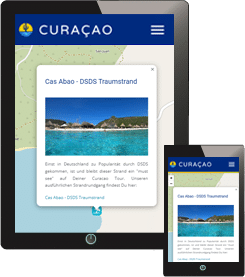
#immerdabei - unsere Artikel zum mitnehmen auf einer Map - probier's aus!
- Partner Website -

- Partner Website -
Unser großes Curacao-Quiz
Lust auf mehr Quizfragen?
Dann versuche Dich an der folgenden Frage oder löse gleich unsere mehr als 100 Quizfragen. Das ist eine tolle Abwechslung, während Du gechillt auf Curacao im Restaurant auf Dein Essen wartest, am Strand liegst, oder abends in Deiner Unterkunft den nächsten Tag planst. Viel Spaß!
Quiz Question
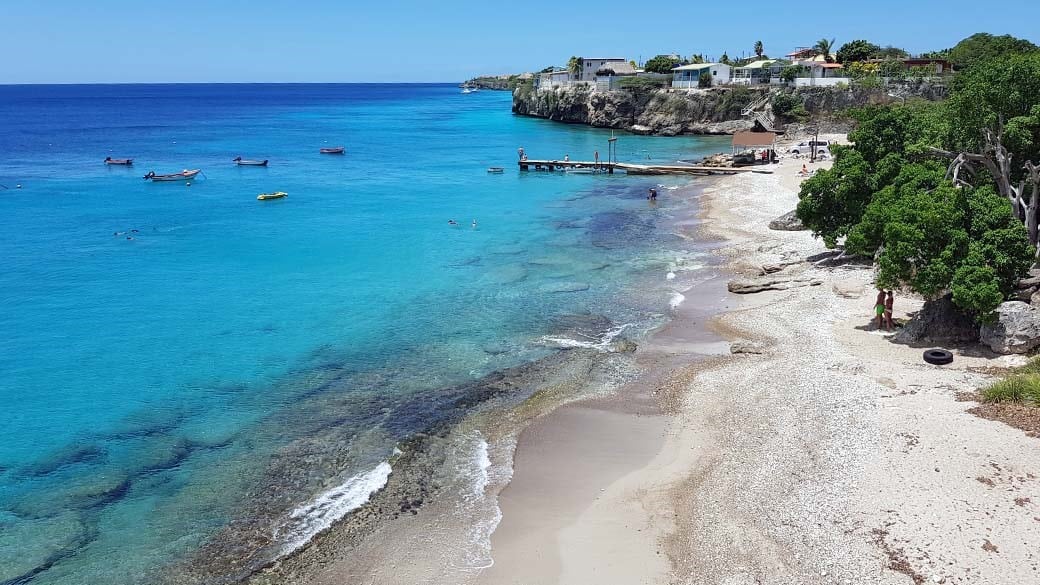
Where can I find Neptune, the god of the sea?Answer
Underwater, of course, at Playa Piskadó to be precise.
Many years ago, Louis Lopez Ramirez, the owner of All West Apartments and Diving, had the idea of creating an underwater attraction and bringing an artificial reef to life. He commissioned a sculpture of Neptune and sank it into the beach’s house reef.
The underwater god of the sea has since become an example of art come alive.
Curacao in Deiner Hosentasche
Kennst Du schon unsere interaktive Map mit Pins zu unseren Artikel und Reviews? Mit unserer Karte kannst Du Deinen Urlaub optimal planen und uns gleichzeitig während Deines Aufenthalts auf der Insel immer dabei haben. Ein gutes Restaurant in Deiner Nähe? Die nächstgelegene Sehenswürdigkeit? Mit My CURACAO machen wir es Dir einfach!

Beiträge, die Dich interessieren könnten:


Magst Du mehr lesen? Schau Dich gerne nach einem für Dich spannenden Thema in unseren Rubriken um:
Für diese Seite sind unsere Kommentarfunktionen ausgeschaltet. Falls Du uns Feedback zu dieser Seite geben möchtest, kontaktiere uns bitte via E-Mail an webmaster[at]relaxedcuracao[dot]com oder die im Impressum genannten Kommunikationswege. Dankeschön!
Quiz Question
What is Hofi Cas Cora?Answer
A green oasis in the middle of Willemstad.
The Hofi Cas Cora is a farm with a farm store, café and brunch restaurant all in one – an ideal place for a family outing.
#immerdabei - unsere Artikel zum mitnehmen auf einer Map - probier's aus!
- Partner Website -

- Partner Website -